

How to Unclog Drains with Natural Solutions
Ever stood in the shower watching the water creep higher around your ankles? Or noticed that gurgling sound coming from your kitchen sink? Maybe you've caught a whiff of something unpleasant drifting up from your bathroom plughole? If you're nodding along, you're not alone. Blocked drains are one of the most common household headaches across Australia, and Vaucluse homes are certainly no exception.
The good news? You don't need harsh chemicals to tackle most drain blockages. Natural drain cleaning methods are gentler on your pipes, better for the environment, and often just as effective as their chemical counterparts. Plus, many of these solutions use ingredients you've probably already got sitting in your pantry.
In this guide, we'll walk you through everything you need to know about clearing blocked drains vaucluse. From understanding what's causing the problem in the first place to step-by-step DIY solutions, we've got you covered. You'll also learn when it's time to call in a professional and how to keep your drains flowing freely for years to come.

Understanding What Causes Blocked Drains in Australian Homes
Before you can fix a problem, it helps to know what's causing it. Different drains around your home face different challenges, and understanding these can help you prevent blockages before they start.
Common Culprits in Kitchen Drains
Your kitchen sink deals with a lot. Cooking oils and grease are the biggest troublemakers here—they might go down as liquids, but once they cool, they solidify and cling to your pipes. Food scraps, coffee grounds, and even soap residue all contribute to the problem. Over time, these build up and create stubborn blockages that slow your drain to a crawl.
Bathroom Drain Blockage Triggers
Bathrooms have their own set of challenges. Hair is the primary offender, especially in showers and bathtub drains. Combine that with soap scum, toothpaste residue, and skin cells, and you've got the perfect recipe for a clog. In toilets, excessive toilet paper or flushing items that shouldn't be flushed (like wet wipes) often causes problems.
Outdoor Drain Issues Specific to Vaucluse and Sydney's Eastern Suburbs
Living in Vaucluse means dealing with some unique drainage challenges. Tree roots are a major concern—they naturally seek out moisture and can infiltrate your pipes through tiny cracks. The area's mature gardens and established trees make this particularly common. Sand and debris from the coastal environment can also accumulate in outdoor drains, especially after storms.
Signs You're Dealing with a Blocked Drain
Catching a blockage early can save you a lot of hassle down the track. Here's what to look out for.
Early Warning Signs to Watch For
Slow-draining water is usually the first clue something's not right. If your sink takes longer than usual to empty, that's a red flag. Gurgling sounds from your drains indicate air trapped in the pipes—often caused by a partial blockage. Unpleasant odours are another telltale sign, typically caused by food or organic matter decomposing in your pipes.
When a Slow Drain Becomes a Serious Problem
A slow drain might seem like a minor inconvenience, but ignoring it can lead to bigger issues. Complete blockages can cause water to back up into your home, potentially damaging floors and walls. In severe cases, you might end up with sewage problems that are both costly and unpleasant to deal with. If multiple drains in your home are affected simultaneously, this could indicate a blockage in your main sewer line—definitely time to take action.
How Do You Unblock a Badly Clogged Drain Naturally?
Right, let's get stuck into the practical stuff. Here are four proven natural methods to clear those stubborn blockages.
The Boiling Water Method
This is the simplest approach and works surprisingly well for minor grease-based blockages. Boil a full kettle of water and pour it directly down the drain in two or three stages, allowing a few seconds between each pour. The heat helps dissolve grease and flush away soap buildup. Just a heads up—avoid using boiling water if you have PVC pipes, as the extreme heat can soften the joints.
Baking Soda and Vinegar: The Classic Combination
This tried-and-true method creates a fizzing reaction that helps break down blockages. Pour half a cup of baking soda down the drain, followed by half a cup of white vinegar. Cover the drain with a plug or cloth to contain the reaction. Wait 15-30 minutes, then flush with hot water. The chemical reaction helps loosen debris while the fizzing action provides gentle scrubbing.
Salt and Baking Soda Solution
Mix half a cup of table salt with half a cup of baking soda and pour it down the drain. Leave this mixture overnight if possible—the salt acts as an abrasive that scours the inside of your pipes. In the morning, flush with boiling water to wash everything away.
Using a Natural Enzyme Cleaner
Enzyme cleaners contain beneficial bacteria that literally eat away at organic matter in your drains. They're particularly effective for bathroom drains where hair and soap scum are the main culprits. While they work more slowly than chemical alternatives, they're much gentler on your plumbing system and completely safe for the environment.

What Is the Best Homemade Drain Unblocker?
Want to create your own powerful drain cleaner? Here's a recipe that combines several natural ingredients for maximum effectiveness.
Step-by-Step Recipe for an Effective DIY Solution
Start by removing any visible debris from the drain opening. Pour half a cup of baking soda down the drain, followed by half a cup of salt. Let this sit for a couple of hours or overnight. Next, pour one cup of heated white vinegar down the drain and immediately cover it. After 15 minutes, flush with a full kettle of boiling water. For stubborn blockages, repeat this process two or three times.
How Often Should You Use Natural Drain Cleaners?
Prevention is always better than cure. Using a natural drain cleaning method once a month can help prevent blockages from forming in the first place. For kitchen sinks, a weekly flush with boiling water helps keep grease at bay. Bathroom drains benefit from a monthly baking soda treatment to prevent hair and soap buildup from becoming problematic.
Can Baking Soda and Vinegar Damage Pipes?
This is a question many homeowners ask, and rightly so. The short answer is no—baking soda and vinegar are generally safe for all types of pipes.
Safety Considerations for Different Pipe Materials
The mild reaction produced by baking soda and vinegar is far gentler than commercial chemical cleaners. It's safe for PVC, copper, and galvanised steel pipes. The mixture is actually less corrosive than many of the foods and substances that regularly go down your drain. That said, always use warm rather than boiling water with PVC pipes to avoid any heat-related damage.
What to Avoid When Using Natural Solutions
Never mix natural drain cleaners with chemical products—this can create dangerous reactions. Avoid using excessive amounts of salt in older pipes, as the abrasive action could potentially damage weakened areas. If you've recently used a chemical drain cleaner, wait at least 24 hours before trying natural methods.
How to Prevent Blocked Drains in the First Place
A bit of regular maintenance goes a long way in keeping your drains clear.
Daily Habits That Protect Your Drains
Install drain guards in all your sinks and showers to catch hair and debris. Never pour cooking oil or grease down the sink—wipe greasy pans with paper towels before washing. Run cold water for 30 seconds after using the garbage disposal to flush debris through. Make it a habit to remove hair from shower drains after each use.
Monthly Maintenance Tips
Flush all drains with boiling water once a month. Use the baking soda and vinegar treatment monthly as a preventive measure. Check outdoor drains for leaf buildup, especially during autumn. Pour a mixture of salt and baking soda down each drain and leave overnight before flushing.
When Should You Call a Professional Plumber?
While natural methods work brilliantly for many blockages, some situations require professional expertise.
Limitations of DIY Drain Cleaning
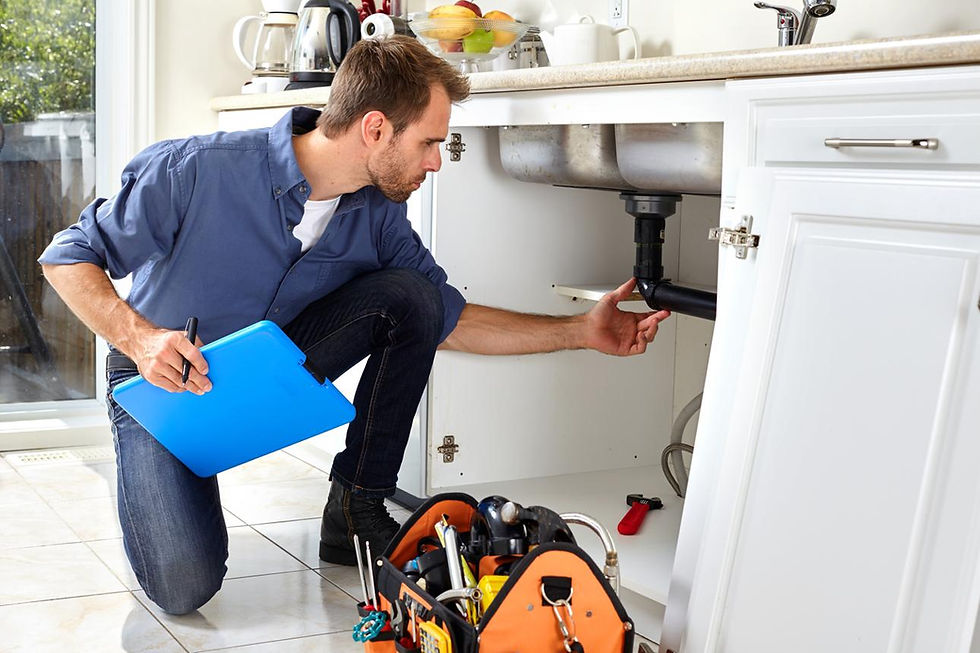
If you've tried multiple natural methods without success, the blockage might be too severe or too far down the pipe for DIY solutions. Recurring blockages in the same drain often indicate a deeper problem, such as tree root intrusion or pipe damage. Multiple blocked drains throughout your home suggest a main line issue that needs professional equipment to diagnose and fix.
Choosing a Reliable Blocked Drains Specialist in Vaucluse
When selecting a plumber, look for someone with local experience who understands the specific challenges of properties in the Eastern Suburbs. Ask about their equipment—CCTV drain cameras can pinpoint problems without unnecessary digging. A reputable blocked drains specialist in Vaucluse will provide upfront pricing and explain the issue before starting work.
Keeping Your Drains Clear the Natural Way
Taking care of your drains doesn't have to involve harsh chemicals or expensive products. The natural methods we've explored—from simple boiling water flushes to the classic baking soda and vinegar combination—are effective, affordable, and kind to both your pipes and the environment.
Remember, the key to trouble-free drains is prevention. By adopting simple daily habits like using drain guards and avoiding pouring grease down the sink, you can significantly reduce the likelihood of blockages. Monthly maintenance with natural cleaners keeps everything flowing smoothly and helps you catch potential problems early.
That said, don't hesitate to call in a professional when needed. Some blockages, particularly those caused by tree roots or pipe damage, genuinely require expert intervention. A qualified blocked drains specialist in Vaucluse can save you time, money, and stress when DIY methods aren't cutting it. Keep these tips in your back pocket, and you'll be well-equipped to handle most drain dramas that come your way.


Comments