

The Role of Suspended Ceilings in Modern Office Design

Have you ever walked into an office and immediately felt at ease? Perhaps the space felt quieter, more polished, or just somehow right? What if we told you that the ceiling above your head plays a massive role in creating that atmosphere? It's true—suspended ceilings have become a game-changer in Australian workplace design.
Gone are the days when ceilings were simply the forgotten fifth wall. Today's commercial suspended ceiling solutions do so much more than just cover up unsightly pipes and wiring. They control acoustics, improve energy efficiency, and give architects incredible design flexibility. Whether you're fitting out a new office in Melbourne or upgrading an existing workspace, understanding what suspended ceilings bring to the table is absolutely key.
In this article, we'll break down everything you need to know about suspended ceiling systems. From the basic components and materials to installation considerations and design trends, you'll walk away with a clear picture of why these ceiling systems have become the go-to choice for modern Australian offices. Let's get stuck into it.

What Is a Drop Ceiling? Understanding the Basics
So, what is a drop ceiling exactly? Simply put, it's a secondary ceiling that hangs below the main structural ceiling. The system creates a gap—or plenum space—between the two surfaces, which proves incredibly useful for hiding services like electrical wiring, plumbing, and HVAC ductwork.
How a Suspended Ceiling System Works
A suspended ceiling system relies on a metal grid framework that's suspended from ceiling anchors attached to the structural ceiling above. This grid supports ceiling tiles or panels, creating a clean, uniform surface below. The beauty of this ceiling suspension system lies in its simplicity and functionality.
The grid hangs at a predetermined height using wires or rods, and the tiles simply rest within the framework. This makes the whole system remarkably easy to install, maintain, and modify when needed.
Key Suspended Ceiling Parts and Components
Understanding suspended ceiling parts helps you make informed decisions. The main components include main runners (the primary support beams), cross tees (shorter pieces that connect main runners), wall angles (perimeter support), suspension wires, and of course, the ceiling tiles themselves.
Each suspended ceiling part serves a specific purpose within the false ceiling frame. Together, they create a stable, attractive overhead surface.
The Difference Between Suspended Ceilings, False Ceilings, and Drop Ceilings
Here's something that confuses many people: suspended ceilings, false ceilings, and drop ceilings are essentially the same thing. The terms are used interchangeably across the industry. A ceiling false ceiling configuration simply refers to any secondary ceiling installed below the original—regardless of what you call it.
The Advantages of Suspended Ceilings for Commercial Spaces
The advantages of suspended ceiling systems extend far beyond aesthetics. Let's explore why so many Australian businesses choose this option.
Improved Acoustics and Noise Reduction
Open-plan offices can get noisy. Phone calls, conversations, and keyboard clatter create a cacophony that affects concentration. Acoustic suspended ceiling tiles absorb sound waves, significantly reducing ambient noise levels. This creates a more productive, comfortable work environment where staff can actually focus.
Enhanced Energy Efficiency and Climate Control
One of the major suspended ceiling advantages involves energy savings. The plenum space acts as an insulating buffer, helping maintain consistent temperatures. Plus, you can integrate HVAC components directly into the ceiling system, improving airflow distribution throughout the space.
Easy Access to Services and Utilities
Need to run new cables or fix a plumbing issue? With a hung ceiling system, maintenance becomes straightforward. Simply lift out the relevant tiles, do your work, and pop them back in. No mess, no fuss, no expensive repairs to solid ceilings.
Design Flexibility and Aesthetic Appeal
Suspended ceilings tiles come in countless styles, colours, and textures. From sleek metallic finishes to natural-looking timber effects, the design possibilities are virtually endless. This flexibility allows architects to create unique ceiling office environments that reflect brand identity.
Cost-Effective Installation and Maintenance
Compared to other ceiling options, drop ceiling systems offer excellent value. Installation is relatively quick, labour costs are manageable, and ongoing maintenance is minimal. When tiles get damaged, you simply replace individual pieces rather than undertaking major repairs.
Suspended Ceiling Materials: Choosing the Right Option for Your Office
Selecting the right suspended ceiling materials directly impacts both performance and appearance. Let's examine your options.
Aluminium Suspended Ceiling Systems
An aluminium suspended ceiling delivers a contemporary, industrial aesthetic that's particularly popular in modern office designs. These metal panels are durable, fire-resistant, and easy to clean. They work brilliantly in spaces where hygiene matters or where you want that crisp, professional look.
Mineral Fibre and Acoustic Tiles
Mineral fibre tiles remain the most common choice for commercial applications. They offer excellent acoustic properties, decent fire resistance, and come at accessible price points. These tiles work well in most standard office environments.
Suspended Ceiling Tiles: Styles and Finishes
Today's suspended ceilings tiles come in an impressive variety. You'll find options ranging from smooth, painted finishes to textured surfaces that hide imperfections. Some feature decorative patterns, while others prioritise functionality with enhanced acoustic or thermal properties.
Ceiling Tiles for Suspended Ceilings: What to Consider
When selecting ceiling tiles for suspended ceilings, consider factors like acoustic requirements, moisture resistance, fire rating, and aesthetic preferences. The environment matters too—a call centre has different needs than a creative agency.
Suspended Ceiling Grid Systems Explained
The grid forms the backbone of any suspension ceiling system. Understanding your options helps ensure the best outcome.
Understanding the False Ceiling Frame Structure
A typical false ceiling frame consists of main runners spanning the room's length, with cross tees creating a grid pattern. Standard configurations include 600x600mm and 600x1200mm tile sizes, though custom options exist.
Standard vs Negative Detail Ceiling Systems
A negative detail ceiling creates a more contemporary look by recessing the grid below the tile surface. This creates shadow lines that add visual interest and depth. Standard exposed grid systems, while more traditional, offer easier installation and lower costs.
Ceiling Tile Systems: Installation and Configuration
Professional ceiling tile systems installation involves careful planning. Installers must account for lighting placement, ventilation requirements, and access points. Proper configuration ensures the system performs optimally for years to come.
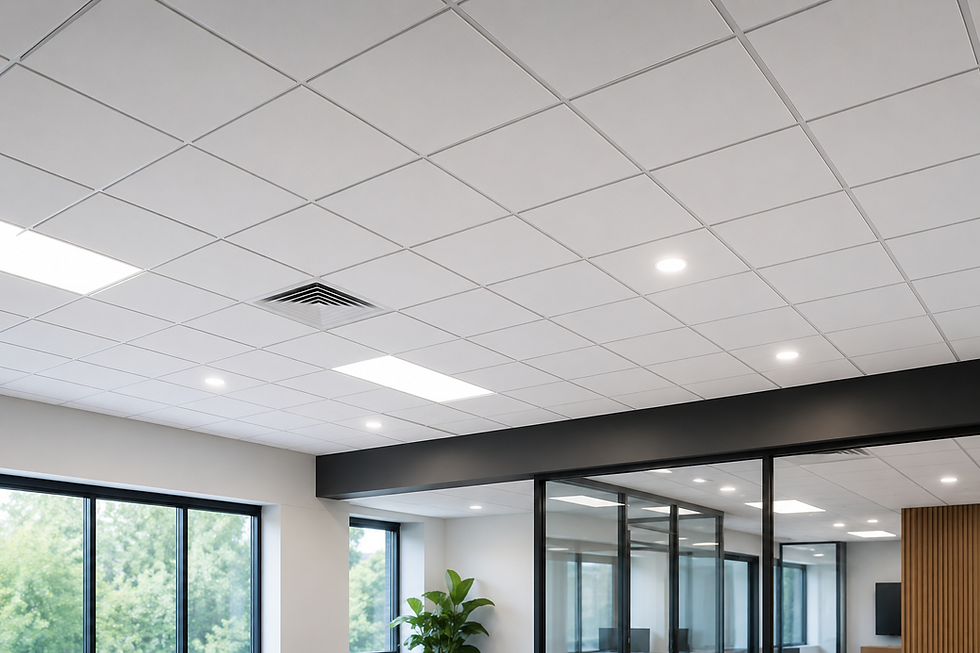
Office Ceiling Options: Which Design Suits Your Workspace?
Different work environments call for different office ceiling options. Here's how to match your ceiling to your needs.
Commercial Suspended Ceiling Solutions
Commercial suspended ceiling applications range from basic functional installations to elaborate design statements. Consider your priorities—whether that's acoustic control, visual impact, or pure practicality—and choose accordingly.
Office Drop Ceiling Tiles for Different Work Environments
Office drop ceiling tiles vary based on workplace type. Quiet spaces like boardrooms benefit from high-performance acoustic tiles. High-traffic areas need durable options that withstand wear. Creative spaces might call for distinctive visual elements.
Creating a Modern Ceiling Office Aesthetic
Achieving that modern ceiling office look involves thoughtful material selection, integrated lighting design, and attention to detail. Consider combining different tile types, incorporating feature sections, or using contrasting finishes to create visual interest.
Finding Reliable Suspended Ceiling Services
Quality installation makes all the difference. Here's how to find the right suspended ceiling services.
What to Look for in False Ceiling Suppliers
Reputable false ceiling suppliers offer comprehensive product ranges, technical support, and proven track records. Look for suppliers who understand Australian building codes and can provide samples before you commit.
Suspended Ceilings Melbourne: Local Expertise and Installation
For businesses in Victoria, suspended ceilings Melbourne specialists offer local knowledge and responsive service. Working with nearby professionals means faster project timelines and easier communication.
Questions to Ask Before Hiring Professionals
Before engaging suspended ceiling services, ask about experience with similar projects, warranties offered, timeline estimates, and what's included in the quote. Request references and check online reviews.
Suspended Ceiling Detail: Design Considerations for Modern Offices
Getting the suspended ceiling detail right requires careful planning and attention to multiple factors.
Integrating Lighting and Ventilation
Modern ceiling designs seamlessly incorporate lighting and ventilation. Recessed LED panels, track lighting, and diffusers can all be integrated into the grid system, creating a cohesive, uncluttered appearance.
Balancing Functionality with Visual Appeal
The best suspended ceilings marry form and function. While acoustic performance and accessibility matter, the ceiling should also complement your overall interior design scheme. Strike the right balance for your specific needs.
Future-Proofing Your Office Ceiling Design
Technology evolves rapidly. Choose systems that accommodate future changes—additional cabling, new lighting technologies, or reconfigured layouts. Flexibility today prevents costly modifications tomorrow.
Elevating Your Office Design with Suspended Ceilings
Suspended ceilings have earned their place as a cornerstone of modern Australian office design. From improved acoustics to energy efficiency and design flexibility, the benefits are genuinely impressive. Whether you're planning a complete fitout or upgrading an existing space, these systems deliver outstanding value.
The key lies in choosing the right materials, working with experienced professionals, and considering both immediate needs and future requirements. With proper planning, your suspended ceiling will serve your business brilliantly for many years.
Ready to transform your workspace? Start by exploring your options, consulting with reputable suppliers, and imagining what's possible. Your perfect ceiling awaits—it's time to look up and see the potential.



Comments